
Feed in Braids vs Knotless Braids for Edge Protection in Buffalo (Plus the Truth About Tension)
By The Beauty Bar Salon and Spa | September 7, 2026
I hear this question all the time, especially after someone tells me my parts are “perfect” and the braids feel “nice neat comfortably tight and extra soft.” Here’s the bottom line. Feed in braids are best when you want a very full, uniform braid with controlled tension and polished parting. Knotless braids usually win if your main concern is minimal root tension and natural movement. Both can be edge-friendly. The difference is technique and how you care for them at home, especially in Buffalo’s cold, dry winters.
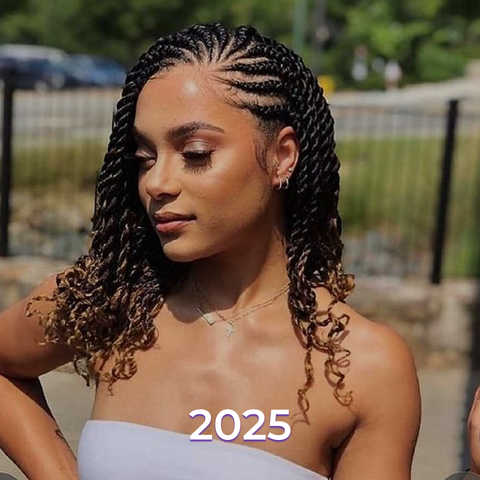
Quick decision guide: If you want that clean, sculpted look that photographs well for events, feed ins tend to deliver a more uniform finish. If you’ve had tender roots or fragile edges before, knotless is often the safer starting point.
Feed in vs Knotless: what’s happening at the roots (and why edges care)
Feed in braids use gradual hair additions as I braid, so the braid builds up evenly. That’s why feed ins tend to look fuller and more uniform, especially in cornrow styles and Ghana braid looks. Knotless braids start with your own hair at the root and I add hair as I go, which typically reduces that initial “knot” and the pull some people feel at the hairline.
Edge protection is mainly about two things: tension and friction. Too much tension at install can stress the hairline. Too much friction after install, think hats, scarves, and Buffalo wind, can rough up edges even if the install was perfect.
My rule in the chair: I’d rather your braids look clean and feel comfortable than chase “snatched” so hard you’re sore. If you’re tender at the hairline, tell me before I start and I’ll adjust placement and tension.
The real trade-offs: tension, neatness at week 3, time, and cost
If we’re talking strictly edge comfort on day one, knotless braids often feel lighter at the root. That’s the honest advantage. People who have had tight installs in the past usually notice the difference right away.
Feed in braids, when I do them with controlled tension, shine in neatness and structure. Clients come in with a photo and I’ll model the braid pattern to match the look they want. I also get a lot of feedback about the finish, clean parts, braids that feel gentle, and a look that stays polished. If you want a uniform braid that holds its shape, feed ins are hard to beat.
“My braid came out nice neat comfortably tight and extra soft!”
one of our regulars
Longevity and upkeep in Buffalo weather
With normal care, most braid installs fall in the 4 to 8 week range. I’ve also had clients happily keep a set in longer, including one who said she left her braids in for two whole months. That said, your scalp, new growth, and edge sensitivity matter, so I’d rather see you take them down on time than push it and pay for it later.
Buffalo winters add a twist. Dry air plus scarves and hats can create friction at the hairline. Knotless can feel easier to refresh around the front because it tends to sit flatter at the root. Feed ins often keep that crisp pattern longer, which is great if you want a style that still looks “done” through lake effect wind.
Time and price: what changes the numbers
At my shop, feed in braids are typically a 120 minute appointment. Pricing starts at $50 for two feeding braids, and most designs start at $55. The final price depends on design, size, and length. Knotless pricing varies the same way, and density can change the install time for both styles.
If pricing is a stress point: I’m upfront about quotes. Clients regularly mention they were charged what was quoted over the phone, and that matters when you’re planning a style around a trip, an event, or a busy work week.
Pick Feed in Braids if you want a sculpted look. Pick Knotless if your roots get tender.
Feed in braids fit you if you like a very clean pattern, a uniform braid, and a style that stays neat for photos and events. I see a lot of people in Allentown and Elmwood Village book before weekends out, gallery nights, and park days when they want their hair to look intentional without daily styling.
Knotless braids often make more sense if your hairline is fragile, you’ve had installs feel too tight in the past, or you want more movement at the root. And if you’re not sure, that’s normal. Tell me how your scalp usually reacts and what you hated about your last set. That answer usually makes the decision for us.
Feed in is usually your pick
You want full, uniform braids and sharp parting that holds its shape.
Knotless is usually your pick
You’re focused on less root tension and a lighter feel at the hairline.
Why people stick with me for braids in Buffalo, and how to book smart
I’ve been braiding in Buffalo for 10 years, and a big reason people stay is simple. I respect your time, I keep a clean shop, and I don’t play games with communication. I’ve had clients say they’re seated on time, they appreciate quick responses, and they like that I’m upfront about the price we discuss before the appointment.
“Not only is Jaklin and her crew kind, upfront, and professional, her salon is clean and well-kept. My hair was beautifully done in record time and at the price clearly stated when we spoke.”
a first-time client
I serve Buffalo plus nearby neighborhoods, including Kenmore, Tonawanda, Cheektowaga, Amherst, and Lackawanna. If you’re deciding between feed ins and knotless, bring a photo and tell me two things: how tight you like your braids to feel, and how your edges have behaved with past installs. I’ll recommend the style that matches your hair and your life, not just what’s trending.
If you want more braid tips, I’d start with summer braid styling in Buffalo and my notes on thinning edges and feed in braids.
Quick answers I give in the chair before we start braiding
What should I expect during my appointment for Feed in Braids?
During your appointment for Feed in Braids, you can expect a personalized experience. Prices start at $50 for two feeding braids, and plan for about 120 minutes for completion.